
The Allure of Risk and Reward
The thrill of risk and reward is a significant driving force behind the popularity of casino games. From slot machines to table games, the potential for a massive payout lures individuals into playing, often against their better judgment. This phenomenon can be explained through the lens of behavioral economics, where the allure of winning outweighs the rational assessment of losing. The unpredictable nature of gambling keeps players engaged, as each game offers the tantalizing possibility of life-changing winnings, making the best online casino in new zealand a popular choice among enthusiasts. This blend of excitement and uncertainty forms a captivating experience, drawing people in time and again.
The psychology of risk-taking is deeply rooted in human behavior. Many individuals experience a rush of adrenaline when they take risks, which can lead to a temporary feeling of euphoria. This euphoria reinforces the desire to engage in more gambling activities, creating a feedback loop. As players win, they often associate the thrill of the game with positive emotions, leading them to believe that they can replicate this experience. The excitement of the gamble often overshadows the knowledge of potential losses, leading to a cycle where players chase their losses, sometimes resulting in problematic gambling behavior.
Moreover, this allure is often enhanced by the environment of casinos, which is meticulously designed to evoke excitement and urgency. The sounds of winning, the flashing lights of the machines, and the general ambiance play a crucial role in engaging players. By immersing individuals in such an environment, casinos exploit psychological principles to enhance their gaming experience, thereby increasing the frequency and duration of play. The combination of risk and a stimulating environment creates an irresistible pull that keeps players returning for more.
The Role of Cognitive Biases
Cognitive biases significantly influence how players perceive their chances of winning in casino games. One prevalent bias is the «gambler’s fallacy,» where individuals believe that past outcomes affect future results. For instance, a player may think that if a particular slot machine hasn’t paid out in a while, it is «due» for a win. This irrational thinking can lead players to make poor decisions, continuing to play in hopes of a big payout that may never come. Such biases can cloud judgment and encourage further investment in losing streaks, illustrating the complex relationship between perception and reality in gambling.
Another cognitive bias that affects gambling behavior is confirmation bias. Players actively seek out information that confirms their beliefs about winning strategies while disregarding evidence to the contrary. This leads to an overestimation of their skills and the effectiveness of their betting systems. Such biases create a distorted view of reality, often resulting in continued participation despite mounting losses, as players cling to the idea that they can eventually beat the odds. This psychological trap can lead to significant financial and emotional consequences as players fail to recognize the limits of their control over the outcomes.

Additionally, the framing effect can play a considerable role in gambling psychology. How information is presented significantly affects players’ decisions. For instance, describing a bet in terms of potential winnings rather than potential losses can lead to riskier behavior. Casinos often frame their games and promotions to emphasize the excitement of winning, which can override logical decision-making and encourage longer play sessions, further entrenching players in their gambling habits. This manipulation of perception underscores the importance of understanding the psychological frameworks that guide gambling behavior.
Psychological Triggers and Emotions
The emotional aspect of casino games goes beyond mere excitement; it taps into deeper psychological triggers. The feeling of hope is a powerful motivator that casinos expertly leverage. Players often enter with the hope of a significant win, which can lead to an emotional high during gameplay. This expectation breeds a sense of optimism, even in the face of negative outcomes, perpetuating the cycle of gambling. The interplay between hope and the uncertainty of results creates a compelling narrative that keeps players engaged and invested in their gaming experiences.
Additionally, the use of loss aversion plays a crucial role in gambling behavior. Research shows that individuals experience losses more intensely than equivalent gains. Casinos exploit this by creating a scenario where players feel they must continue playing to recoup their losses. The emotional distress of losing can compel individuals to double down on their bets, hoping that a significant win will alleviate their perceived financial setback. This psychological mechanism can lead to prolonged gambling sessions and increased financial risk, as the desire to recover losses often overshadows rational judgment.
Moreover, social interactions within casinos contribute to the emotional experience. Many players gamble in groups, enjoying the camaraderie and collective excitement of wins and losses alike. This social reinforcement can amplify emotional responses, making the gambling experience more enjoyable and engaging. The interplay of individual emotions and social dynamics creates an environment rich in psychological triggers, increasing the likelihood of prolonged participation in casino games. This social aspect not only enhances the thrill but also fosters a community around shared gambling experiences.
The Impact of Branding and Marketing
Casino branding and marketing strategies are designed to not only attract players but also create a sense of loyalty. The use of enticing promotions, loyalty programs, and branded experiences revolves around psychological principles that keep players coming back. By associating positive emotions with gameplay and customer experience, casinos create an emotional bond that can transcend the mere act of gambling. This emotional connection is pivotal in retaining players and encouraging repeat visits, as individuals seek to replicate their enjoyable experiences.
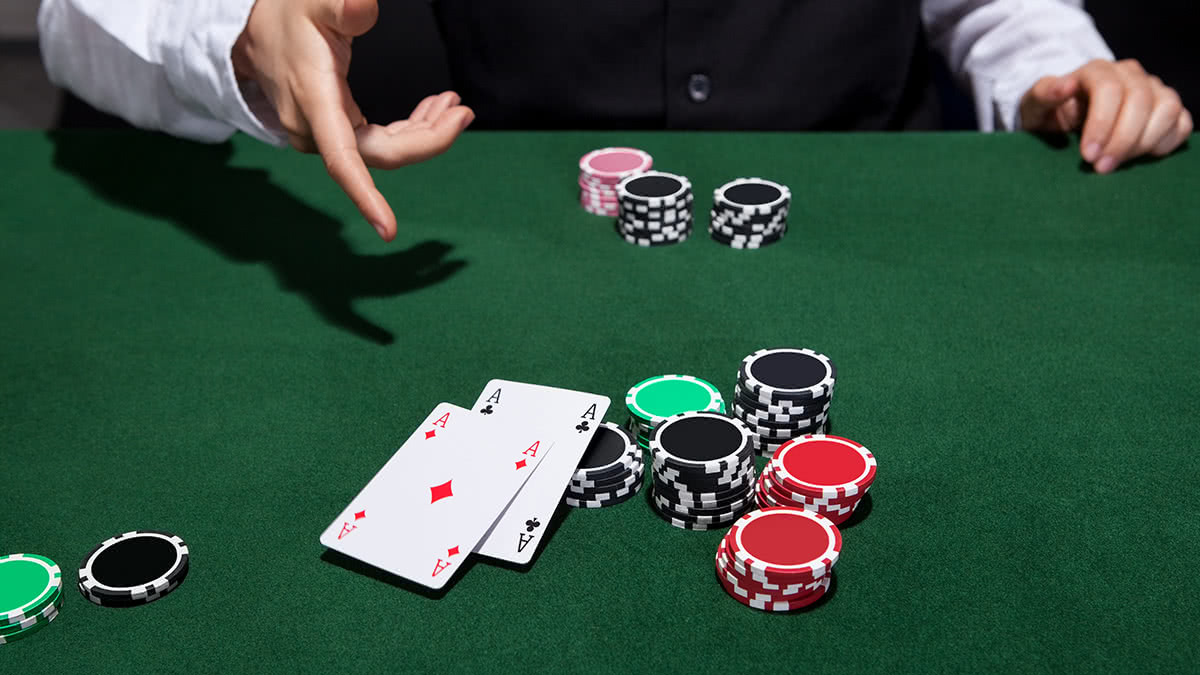
The strategic use of colors, sounds, and visuals in branding further enhances the psychological appeal of casino games. Certain colors, like red and gold, are employed to evoke feelings of excitement and luxury, which can attract players to specific games. The branding is often tailored to create an inclusive atmosphere, fostering a sense of belonging and community among players, which encourages them to return for future visits. This carefully crafted environment is essential for building a loyal customer base that perceives the casino as a source of entertainment and social engagement.
Moreover, the implementation of gamification elements, such as challenges and achievements, is becoming increasingly popular in casino marketing. These elements appeal to players’ intrinsic motivation, driving them to engage more deeply with the gaming experience. When players feel a sense of achievement, however small, it reinforces their connection to the brand and the games offered, resulting in increased loyalty and play frequency. This integration of gaming mechanics into the gambling experience not only enhances enjoyment but also solidifies the casino’s position in players’ minds as a fun and rewarding destination.
Understanding Your Gambling Experience
Understanding the psychological factors at play in casino games can empower individuals to make more informed decisions about their gaming habits. Recognizing cognitive biases, emotional triggers, and the influence of the gaming environment can help players maintain a healthier relationship with gambling. By being aware of these psychological aspects, players can better regulate their gaming behavior and avoid the pitfalls associated with excessive gambling. This awareness can foster a more mindful approach to gambling, prioritizing enjoyment over financial outcomes.
Many resources and communities focus on promoting responsible gambling and providing support for those who may struggle with gambling addiction. Engaging with these resources can offer valuable insights, helping players navigate their experiences more thoughtfully and with greater awareness. Understanding that gambling is designed primarily for entertainment, and not as a means of income, is crucial for maintaining a balanced perspective. This recognition can help individuals set realistic expectations and enjoy gaming as a leisure activity rather than a financial strategy.
At the same time, recognizing the psychological allure of casino games can lead to more mindful and enjoyable experiences. Instead of participating mindlessly, individuals can approach gambling with a more strategic mindset, setting limits and focusing on the entertainment value rather than purely financial outcomes. In doing so, players can create a more positive and fulfilling relationship with the world of gaming. By prioritizing enjoyment and self-awareness, individuals can navigate the complex landscape of gambling while minimizing potential risks.